
Seamless Design Solutions: Why Architects Prefer STONIM for Modern Projects
Seamless design solutions are not just a trend—they’re a necessity in modern architectural projects. Architects prefer STONIM because its high-quality solid surfaces combine durability with versatile aesthetics, making every detail count. In this post, you’ll see why STONIM stands out as the go-to choice for sustainable building materials that support bold, clean designs without compromise. Learn more about STONIM’s modern choice for seamless, durable interiors.
Advanced Technology in Design
To truly appreciate STONIM, one must first understand the advanced technology behind these materials. This section will explore how these innovations elevate quality and performance.
Cutting-Edge Manufacturing Techniques
STONIM utilizes state-of-the-art processes to ensure every piece meets stringent standards. Their approach involves blending pure and modified acrylics, resulting in materials that are both strong and workable. For instance, the use of these blends allows for seamless joints, crucial for achieving the clean lines desired in modern architecture.
Another key aspect is the precision of their manufacturing. By employing robotic cutting and polishing techniques, STONIM minimizes human error. This ensures that each product boasts a flawless finish, ready to withstand the demands of daily use. Many architects find that this precision not only enhances aesthetic appeal but also reduces installation time.
The technology also extends to customization capabilities. STONIM can tailor materials to specific project requirements, offering unique design solutions that stand out. This flexibility makes it easier for you to achieve your vision, knowing you have the support of cutting-edge technology.
Precision and Durability in Surfaces
The strength of STONIM’s surfaces lies in their meticulous construction. Every piece is crafted to offer unmatched durability, standing the test of time. Whether used in high-traffic areas or as a statement piece, these surfaces maintain their integrity.
Consider their application in busy commercial spaces. STONIM surfaces resist scratches and stains, maintaining their pristine look with minimal maintenance. This durability is not just a claim; customers report surfaces looking new even after years of use.
Another advantage is their non-porous nature. This feature ensures surfaces are hygienic and easy to clean, making them ideal for spaces where cleanliness is paramount, like kitchens and bathrooms. By choosing STONIM, you invest in materials that promise longevity and ease of care.
Design Versatility with STONIM
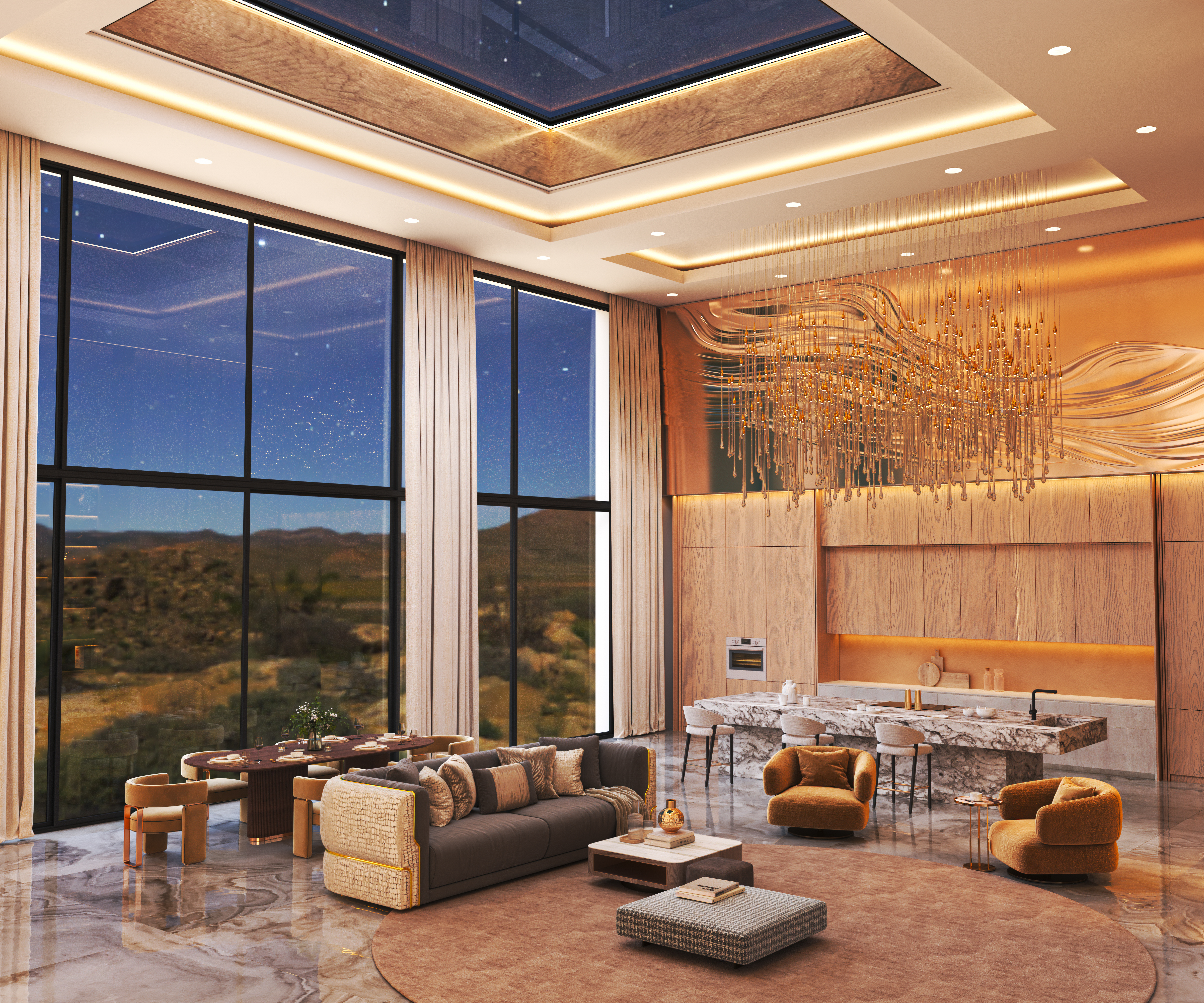
Having explored the technology, let’s dive into the design possibilities STONIM offers. Whether you’re looking to make a bold statement or a subtle enhancement, these surfaces have you covered.
Customizable Aesthetic Options
STONIM provides a palette of colors and textures, enabling you to customize every detail. From sleek monochromes to intricate patterns, there’s something to match every style preference. This variety supports creativity, allowing you to craft spaces that reflect your personality.
Customization doesn’t stop at colors. STONIM also offers various finish options, from matte to high gloss. These finishes can dramatically alter the ambiance of a space, providing a tool for designers to experiment and adapt.
Moreover, STONIM’s offerings aren’t just for interiors. Their surfaces can transition seamlessly to outside environments, maintaining visual continuity. This adaptability makes them a favorite among architects seeking cohesive design solutions.
Adaptability for Various Applications
Beyond aesthetics, STONIM surfaces shine in versatility. They are suitable for a range of applications, from countertops and wall cladding to furniture and more. This adaptability ensures that no matter the project, STONIM can be integrated smoothly.
For instance, consider a retail store needing a sleek aesthetic with durable materials. STONIM surfaces can be used for everything from display tables to feature walls, creating a unified look that withstands heavy use.
Even in residential settings, STONIM proves its worth. Homeowners appreciate the ease with which these surfaces can be incorporated into kitchens and bathrooms, offering a blend of style and practicality. The ability to use these surfaces in varied settings demonstrates their unmatched flexibility.
Commitment to Sustainability
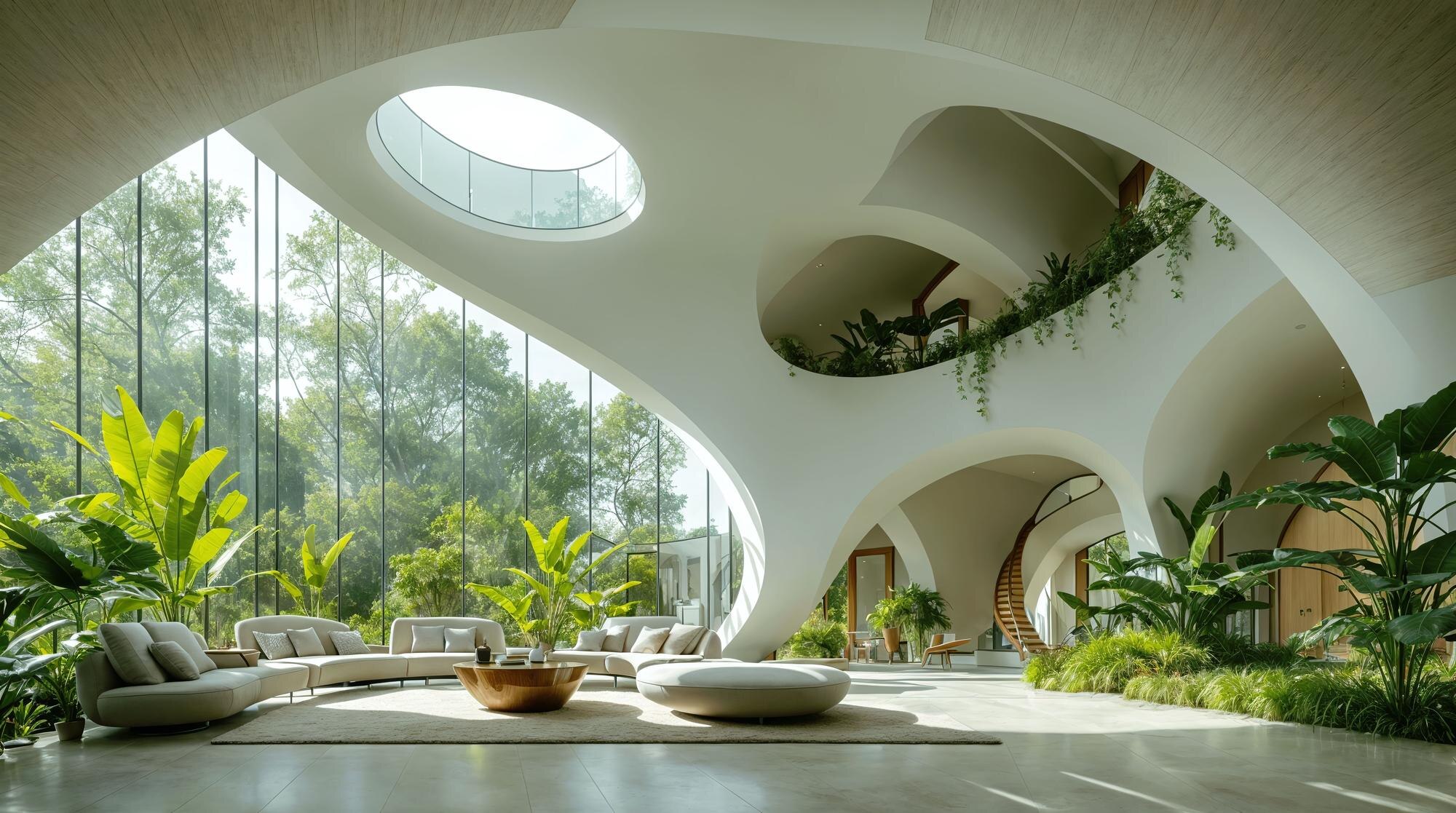
Beyond design and technology, STONIM deeply commits to sustainability. This section highlights how their materials contribute to a greener architectural landscape.
Eco-Friendly Material Choices
Sustainability starts with the materials used. STONIM prioritizes eco-friendly components, aligning with modern sustainability demands. Their production processes minimize waste, ensuring resources are used responsibly.
Moreover, the materials themselves are designed to be recyclable and renewable. This means that even at the end of their life cycle, STONIM surfaces can be repurposed, reducing environmental impact. This commitment to green practices makes them an ideal choice for eco-conscious projects.
Social responsibility extends to their supply chain as well. STONIM works closely with partners to ensure ethical sourcing, further contributing to their sustainability goals. By choosing STONIM, you align with a brand that values environmental stewardship.
Long-Term Benefits for Green Architecture
The benefits of using STONIM go beyond immediate aesthetics and functionality. In the long term, these surfaces contribute to energy efficiency and resource conservation. Their non-porous nature reduces the need for harsh cleaning chemicals, promoting a healthier indoor environment.
Furthermore, STONIM surfaces are designed to be thermally stable. Seamless Design Solutions-This property helps in maintaining indoor temperatures, potentially reducing energy consumption for heating and cooling. Such features make them a smart choice for projects aiming for green certifications.
Choosing STONIM isn’t just about selecting a material; it’s about committing to a sustainable future. By integrating these surfaces into your projects, you contribute to a legacy of responsible design that benefits both people and the planet.