
STONIM® Solid Surface Brands
Complete Guide for Architects & Interior Designers
Solid surface materials have become a cornerstone of modern interior architecture. Known for their seamless appearance, durability, and hygienic properties, these materials are widely used in kitchens, bathrooms, hospitals, retail counters, and commercial interiors.
Unlike traditional stone, solid surface sheets allow invisible joints, integrated sinks, and curved thermoformed designs, giving architects and designers greater freedom in creating functional yet elegant spaces.
In this guide, we highlight some of the most recognized solid surface brands used worldwide, including the emerging STONIM® solid surface.
Corian® by DuPont
Corian® is widely recognized as the original and most influential solid surface brand. Developed by DuPont, it pioneered the category and set the global standard for performance and design flexibility.
Corian surfaces are non-porous, repairable, and seamlessly joined, making them ideal for environments that require hygiene and durability such as kitchens, healthcare facilities, laboratories, and high-end residential projects.
The brand offers a wide range of colors, textures, and patterns, allowing designers to create unique surfaces that combine aesthetics with long-term reliability.

HIMACS by LX Hausys
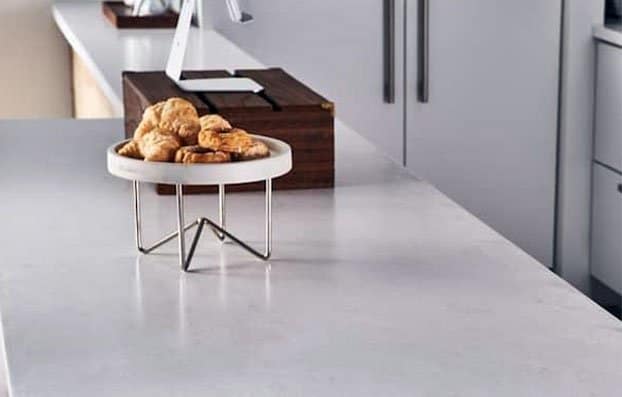
HIMACS is a technologically advanced acrylic solid surface known for its smooth finish, stain resistance, and hygienic qualities.
A major advantage of HIMACS is its excellent thermoforming capability, enabling designers to create curved forms, custom furniture, and innovative architectural elements. Because of these qualities, it is commonly used in modern kitchens, commercial spaces, and healthcare interiors.
Hanex Solid Surfaces
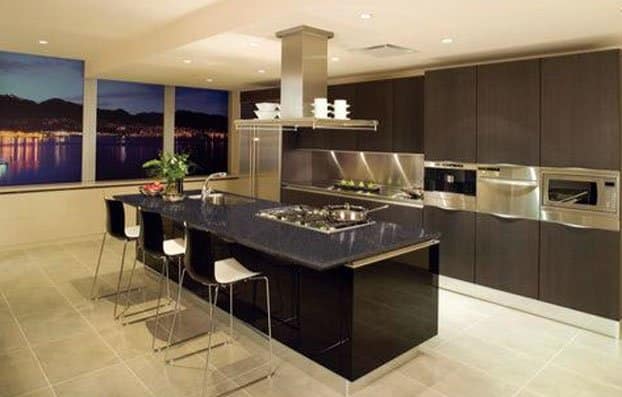
Hanex, manufactured by Hanwha, is known for delivering consistent quality, excellent workability, and a broad selection of colors and patterns.
Fabricators appreciate Hanex because it is easy to cut, shape, and repair, making it a reliable option for residential countertops, vanity counters, retail fixtures, and hospitality projects.
Staron Solid Surface
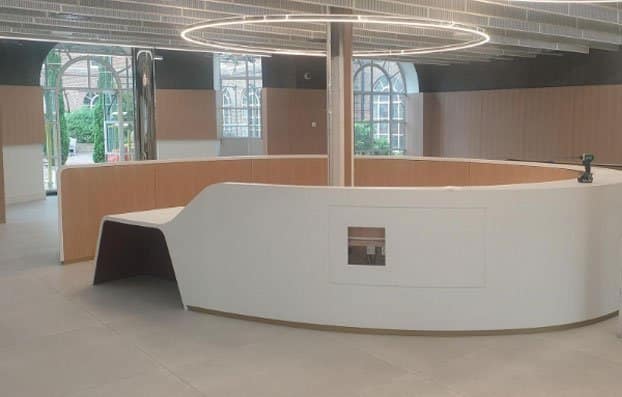
Staron, produced by Lotte Chemical, is another globally recognized solid surface brand that combines durability with fabrication flexibility.
It is widely used in commercial environments, retail counters, hospitals, and hospitality interiors, where seamless joints and easy maintenance are important. Staron surfaces also offer a wide palette of colors suitable for both contemporary and classic designs.
STONIM® Solid Surface
STONIM® solid surface is designed to deliver modern aesthetics, reliable performance, and practical fabrication advantages for interior design projects.
Developed with architects, designers, and fabricators in mind, STONIM® offers:
- Seamless joint technology
- Non-porous hygienic surfaces
- Easy fabrication and repairability
- Durable performance for residential and commercial applications
STONIM® surfaces are suitable for kitchen countertops, vanity counters, wall panels, reception desks, retail displays, and custom furniture installations.
With a focus on design flexibility and practical usability, STONIM® provides professionals with a versatile solid surface solution for contemporary interiors.
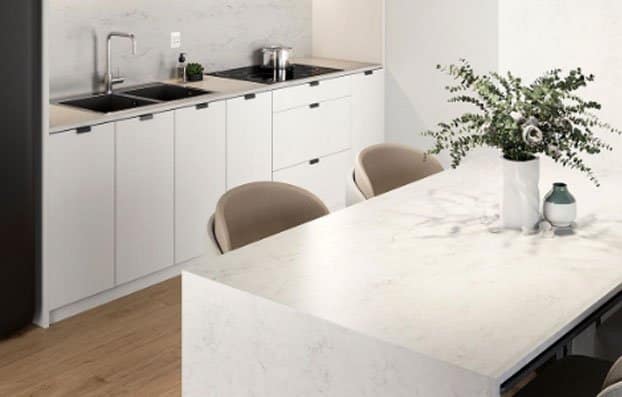
Krion® by Porcelanosa
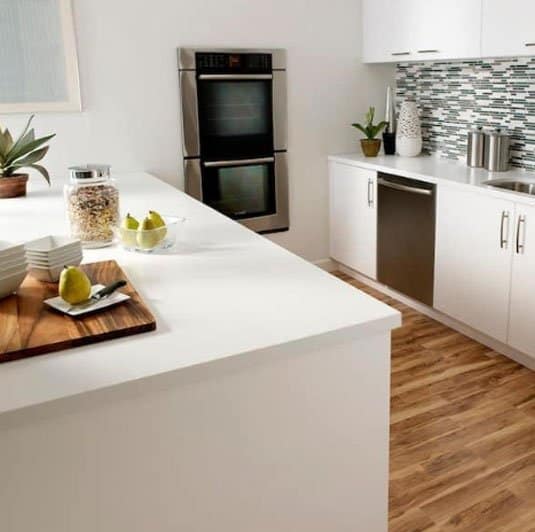
Krion®, developed by the Porcelanosa Group, represents a next-generation solid surface material. Its mineral-based composition provides excellent resistance to stains, chemicals, and impacts.
Krion surfaces are also known for their antibacterial properties and environmentally responsible manufacturing, making them suitable for healthcare, hospitality, and large public projects.