
Specifying solid surface materials for modern interiors often means juggling durability, hygiene, and creative freedom. Many products promise seamless solid surface appeal but fall short under real-world demands. You’ll learn how to set clear criteria for performance, fabrication, and maintenance that protect your design vision without compromise. This guide equips you to choose solid surface sheets that stand up to the toughest environments while enabling bold, custom looks. Read more.
Selecting Solid Surface Materials
Choosing the right components for your project starts with understanding the core attributes that influence their performance.
Performance and Durability
When selecting materials, think about their ability to endure daily wear and tear. Solid surfaces should resist scratches, stains, and heat to maintain their appearance over time. For instance, Stonim solid surfaces are engineered to handle spills, scratches, and heat, ensuring they remain looking new. This means fewer repairs and replacements, saving both time and money in the long run.
Hygiene and Maintenance
In spaces like kitchens and healthcare facilities, cleanliness is paramount. Non-porous surfaces are crucial as they do not absorb liquids or harbor bacteria. Stonim surfaces, for example, are designed to be non-absorbing and easy to clean, promoting a healthier environment. Regular cleaning requires only mild soap and water, reducing the need for harsh chemicals and making maintenance straightforward.
Design and Fabrication Flexibility
Designing with flexibility in mind allows you to adapt to various architectural needs. The ability to create seamless curves and integrated features can transform spaces. Stonim’s thermoformable solid surfaces offer this adaptability, allowing for custom creations that align perfectly with your vision.
Installation and Application Techniques
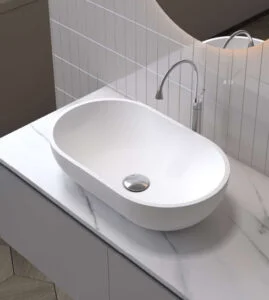
Proper installation techniques ensure that the beauty and durability of surfaces are enhanced.
Seamless Installation Practices
Creating a seamless look involves precise installation methods that minimize visible joints. This not only enhances aesthetics but also simplifies cleaning. For instance, using color-matched adhesives and skilled craftsmanship results in a flawless finish that complements any design style.
Countertop Joints and Edge Detailing
The detailing of joints and edges can enhance the visual appeal of countertops. Rounded or beveled edges add sophistication while also reducing the risk of chipping. Paying attention to these details ensures a polished, professional appearance that meets client expectations.
Wall Cladding and Other Applications
Solid surfaces extend beyond countertops into wall cladding and other areas. Their versatility in design allows for use in various applications, from vertical surfaces to unique furniture pieces. Such materials support a wide range of projects, offering endless possibilities for creativity.
Sustainability and Compliance
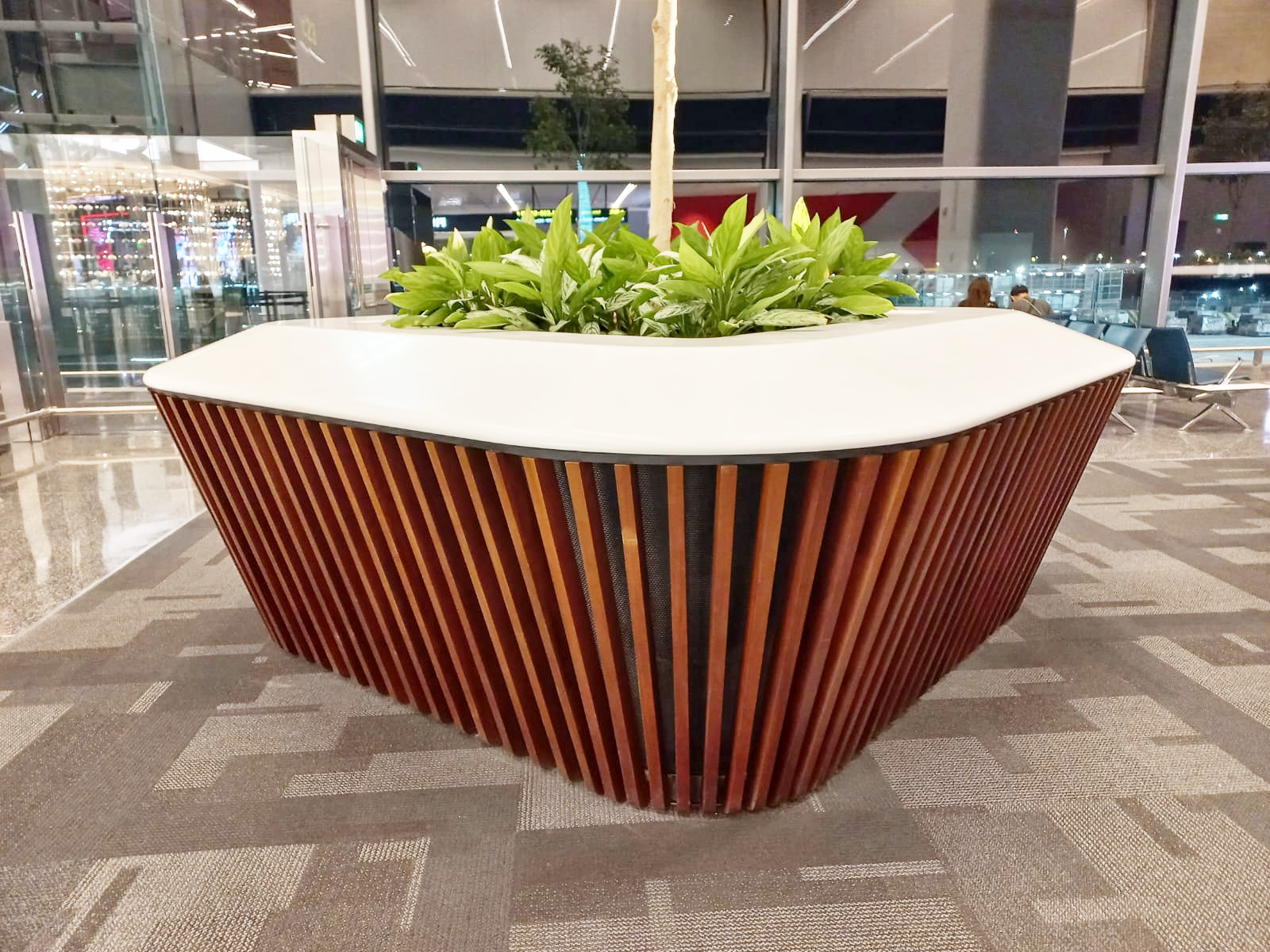
Beyond aesthetics and functionality, consideration of environmental impact and compliance with standards is vital.
Eco-Friendly Material Choices
Opting for eco-friendly materials reduces environmental impact. Stonim emphasizes sustainability through eco-conscious production, aligning with modern environmental goals. This commitment to responsible manufacturing practices supports a healthier planet.
Certification and Standards
Adhering to industry standards and certifications ensures quality and safety. Solid surfaces should meet specific criteria that certify their suitability for various applications. Look for products that comply with recognized standards, giving you confidence in their performance.
Lifecycle and Repairability Benefits
Understanding the lifecycle of materials offers insight into their long-term value. Repairable surfaces extend lifespan, reducing the need for replacements. Stonim focuses on creating durable, repairable surfaces, ensuring they withstand the test of time while remaining visually appealing.
Frequently Asked Questions
What are the benefits of using non-porous surfaces in kitchens?
Non-porous surfaces do not absorb liquids, making them resistant to stains and bacterial growth. This enhances hygiene and makes cleaning easier, which is crucial in food preparation areas.
How do solid surfaces contribute to sustainable building practices?
Solid surfaces like those from Stonim are manufactured using eco-friendly processes, reducing environmental impact. They are durable and repairable, minimizing waste and the need for frequent replacements.
Can solid surfaces be customized for specific design needs?
Yes, solid surfaces can be thermoformed and customized to fit various design requirements. This flexibility allows for the creation of unique, seamless installations that suit any architectural vision.
What should be considered when installing solid surface countertops?
Ensure that joints are minimized and edges are properly detailed to achieve a seamless look. Using color-matched adhesives and skilled installers will result in a professional finish.
Are solid surfaces suitable for high-traffic areas?
Yes, solid surfaces are designed to withstand everyday use in high-traffic areas. They are resistant to scratches, stains, and heat, making them ideal for both residential and commercial applications.