
Choosing the right solid surface thickness shapes your project’s strength and style in ways many overlook. Thickness affects everything from weight and thermoforming limits to installation ease and lifecycle costs. This guide cuts through the confusion, helping you choose solid surface thickness that meets your design goals and performance needs with confidence. Stick with us to master STONIM™ thickness options tailored for every application.
Understanding Solid Surface Thickness
Solid surface thickness isn’t just about looks. It’s about how your material performs in everyday use. This section dives into how thickness impacts your project’s strength and overall durability.
Impact on Strength and Durability
Choosing the right thickness keeps your surfaces sturdy. Thicker solid surfaces mean higher resistance to impact. For instance, a 12 mm solid surface is less likely to crack under pressure compared to thinner alternatives. This makes it ideal for high-traffic areas like kitchen countertops. When you want a durable and long-lasting surface, thickness is your ally. It stands up to daily wear and tear, ensuring your investment holds up over time.
Think about bathroom vanity tops; a thicker surface can better handle the moisture and frequent use of such spaces. The stronger your surface, the longer it lasts without showing signs of wear. So, if you’re looking to create a space that stays beautiful and functional, the right thickness is crucial.
Weight Considerations for Installation
Weight plays a key role in installation. Heavier surfaces can be challenging to maneuver, but they offer stability once installed. For example, when installing a 6 mm wall cladding panel, you benefit from ease of handling and lower transportation costs. However, for countertops, a heavier, thicker surface might be preferred for its solid feel and stability.
In custom projects, consider how weight affects the process. Contractors often prefer materials that balance weight and strength to simplify installation without sacrificing durability. If you’re managing a project, remember: understanding the weight of your materials can save time and effort during installation.
Design and Thermoforming Flexibility
Design flexibility is a major benefit of solid surfaces. This section explores how different thicknesses offer unique thermoforming options.
Curves and Tight Radii
Curves add elegance to any space, and solid surfaces excel here. For intricate designs, a thermoforming radius solid surface is key. The ability to mold surfaces into tight radii opens up creative possibilities. You can achieve seamless curves that transform a standard surface into a stunning feature.
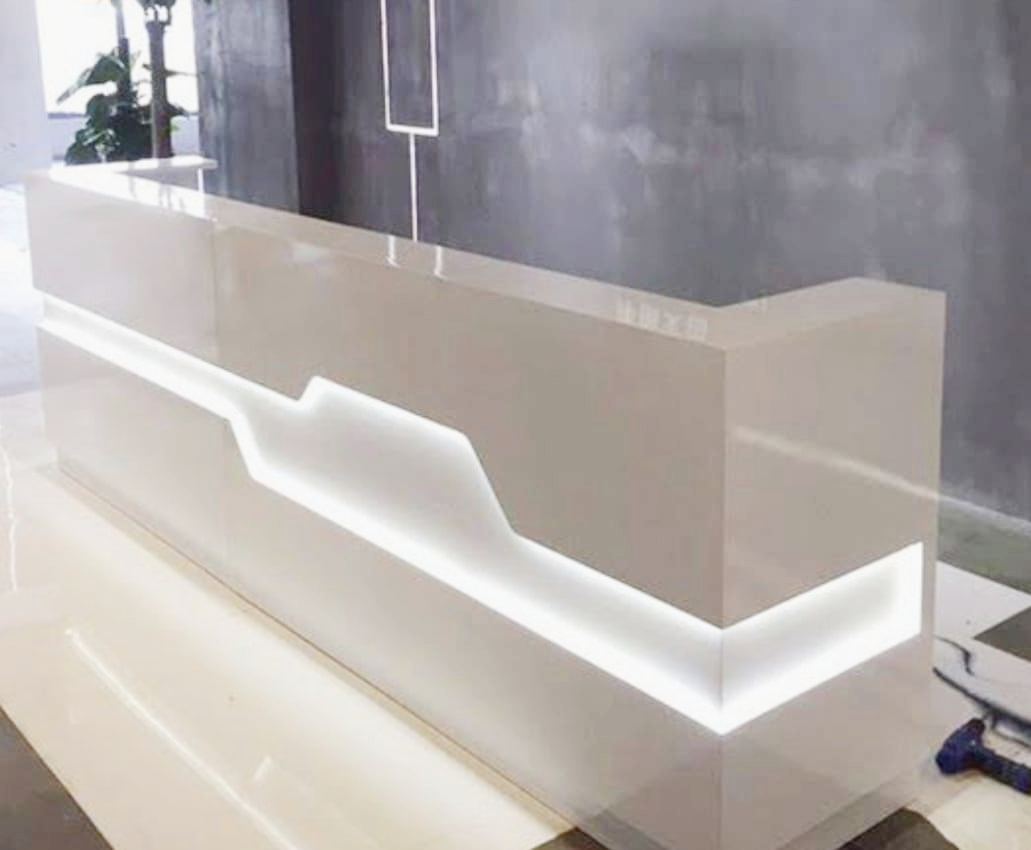
Imagine a reception desk with smooth, flowing lines. The right thickness allows you to achieve designs that were previously challenging. With acrylic solid surface sheets, you can create complex shapes that maintain strength without compromising on style.
Custom Edge Build-Ups
Edges are more than just borders; they’re design statements. Edge build-up solid surfaces offer possibilities to enhance aesthetics. By layering, you can create thicker edges that make a bold impression. This approach allows for creative expression while maintaining the surface’s integrity.
Consider kitchen islands where the edge detail adds sophistication. You can achieve various profiles that complement your design theme. This flexibility helps in personalizing spaces, making each project unique.
Selecting the Right Thickness
Choosing the right thickness doesn’t have to be daunting. This section guides you through selecting the best option for your specific needs.
Countertop Thickness Guide
Countertops need to balance function with style. A comprehensive countertop thickness guide can help you decide the right option for your space. For heavy-duty use, as in commercial kitchens, a thicker surface offers durability and a premium feel.
In residential settings, a 12 mm solid surface provides the perfect balance of durability and elegance. For less demanding applications, a 9 mm surface might suffice, offering lighter weight and cost benefits without compromising style.
Wall Cladding and Shower Applications
Wall cladding and showers require surfaces that can withstand moisture and maintain hygiene. A 9 mm shower wall is effective in these environments, offering both protection and style. Solid surfaces are non-porous, ensuring they remain resistant to bacteria and easy to clean.
For cladding, 6 mm wall cladding panels offer a lightweight solution that doesn’t sacrifice durability. These panels can be easily installed and provide a sleek, modern look. When hygiene and maintenance are priorities, the right thickness ensures your surfaces meet the highest standards.
By understanding how solid surface thickness impacts every aspect of your project, you can make informed decisions that enhance both function and design. For more insights, explore the complete specifier’s guide to solid surfaces and learn to leverage these materials to their fullest potential.