
STONIM® Solid Surface
The Complete Guide to Solid Surface –
History, Technology, Features & Applications
Introduction to Solid Surface
Solid surface is a high-performance, non-porous composite material engineered for seamless architectural applications. It is primarily composed of acrylic polymer (PMMA), natural mineral fillers such as alumina trihydrate (ATH), and pigments.
Developed as a hygienic and repairable alternative to natural stone, solid surface has become one of the most versatile surfacing materials in residential, commercial, healthcare, and hospitality sectors.
- Thermoformed into curved designs
- Seamlessly joined
- Fully repairable
- Fabricated into complex 3D forms
STONIM® Solid Surface
Represents a modern evolution of solid surface technology — engineered for durability, aesthetics, and fabrication efficiency. Designed for architectural-grade performance across demanding commercial environments.
History of Solid Surface
Key Historical Milestones
Composition & Manufacturing Technology
Solid surface technology originated in the late 1960s as a response to limitations in laminate and natural stone.
Core Components
- Acrylic Resin (PMMA) – Provides flexibility and thermoformability
- Alumina Trihydrate (ATH) – Provides fire resistance and strength
- Pigments & Additives – Provide color consistency and UV stability
Core Components
- Raw material blending
- Vacuum mixing
- Continuous casting into sheets
- Controlled curing
- Calibration and sanding
- Quality inspection
Types of Solid Surface
There are two primary technical classifications:

Full Acrylic Solid Surface
- Higher acrylic content
- Superior thermoforming
- Better seamless bonding
- Preferred for premium commercial projects
Modified / Polyester Solid Surface
- Lower acrylic content
- More rigid structure
- Cost-effective solution
- Limited thermoforming capability
Key Features of Solid Surface
Non-Porous & Hygienic
Prevents bacterial growth and moisture penetration. Ideal for kitchens and bathrooms.
Seamless Integration
Repairable & Renewable
Scratches, burns, and surface damage can be sanded and restored.
Thermoformable
Can be heated and molded into curved, organic shapes.
Uniform Color Throughout
Unlike laminate, color runs through the entire thickness.
Fire Performance
Low Maintenance
No sealing required unlike granite or marble.
Solid Surface vs Other Materials
| Feature | Solid Surface | Quartz | Granite | Laminate |
|---|---|---|---|---|
| Seamless Joints | Yes | No | No | No |
| Repairable | Yes | Limited | No | No |
| Thermoformable | Yes | No | No | No |
| Non-Porous | Yes | Yes | No | No |
| Custom Shapes | Yes | Limited | Limited | No |
Solid surface stands out for design flexibility and lifecycle value.
Applications of Solid Surface
Healthcare
Reception counters, nurse stations, laboratory benches.
Hospitality
Hotel vanity tops, restaurant counters, bar tops.
Residential
Retail & Commercial
Public Infrastructure
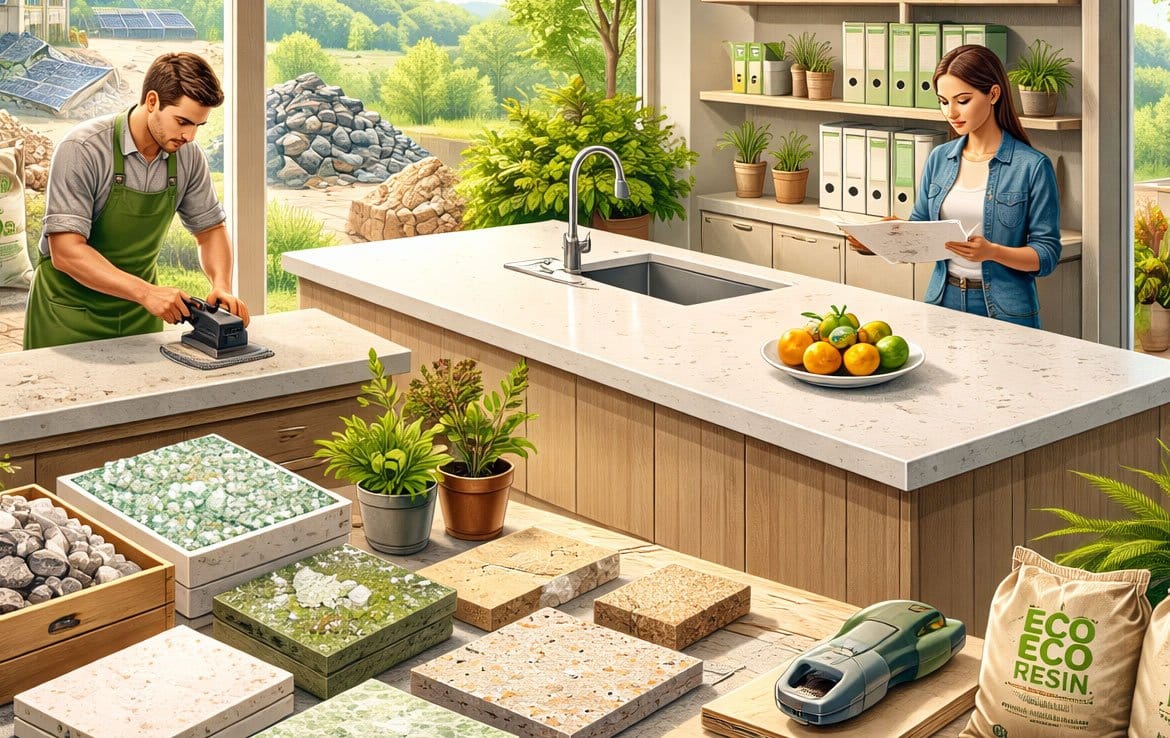
Sustainability & Environmental Considerations
- Emit low VOCs
- Are long-life and repairable
- Reduced material replacement frequency
- Can contribute to green building certifications
Maintenance & Care
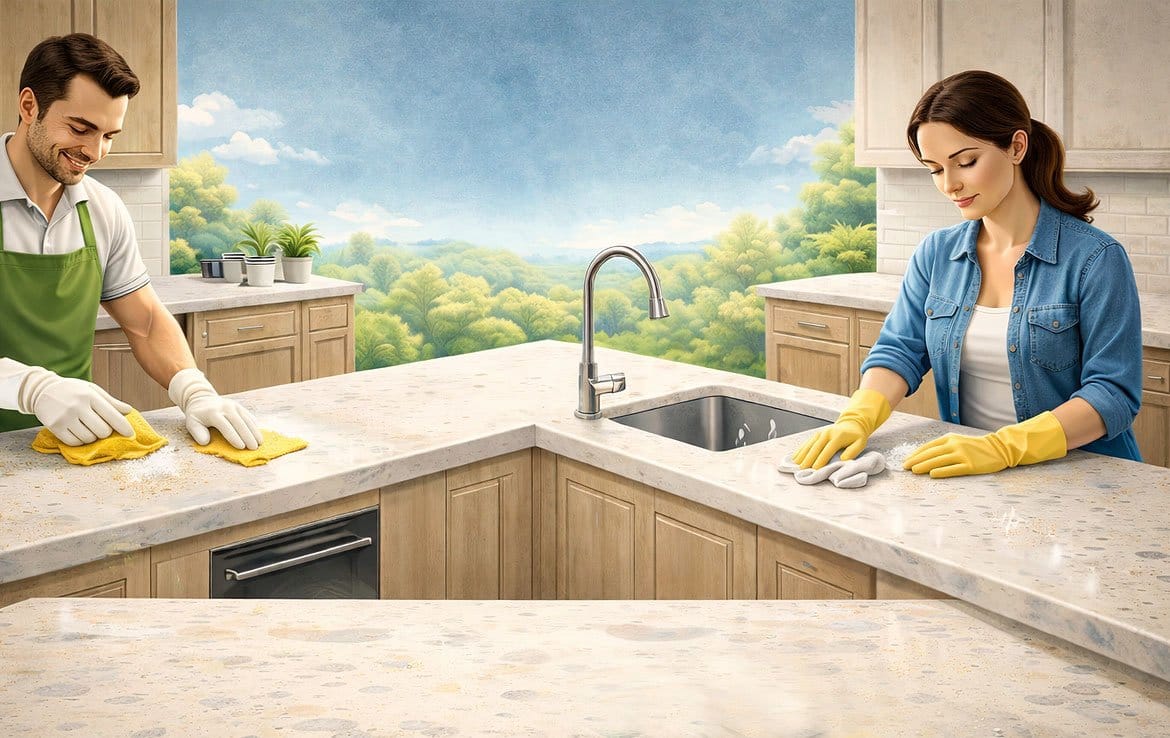
- Mild soap and water
- Non-abrasive cleaners
- Light sanding for scratches
- Professional polishing for heavy wear
- No sealing required.
Why the Solid Surface Manufacturer Is Important
Manufacturing Precision Matters
A reliable solid surface manufacturer guarantees:
- Consistent sheet thickness for seamless fabrication and perfect joint alignment
- Uniform density and composition to prevent warping or cracking
- Superior bonding performance for invisible joints and structural integrity
- Enhanced colour stability that resists fading and discoloration
- Fabricator-friendly machining that reduces breakage and waste
- Climate compatibility — especially critical for GCC heat and humidity conditions
Poor manufacturing standards can lead to joint failure, color variation, surface bubbling, or thermal expansion issues. These problems do not appear immediately — they surface months or years later, damaging reputation and increasing maintenance costs.
Performance Beyond Appearance
- Strict sheet calibration and quality control
- High-performance resin formulation
- Advanced pigmentation technology for lasting color depth
- Structural integrity for heavy-use applications
- Proven suitability for GCC environmental conditions
Designed for architects, fabricators, and developers seeking performance-first surfacing solutions.
When you choose the right manufacturer, you are not just buying a surface — you are investing in the success of the entire project.