
Choosing a solid surface for modern interiors goes beyond looks. Your choice must stand up to daily wear, resist bacteria, and fit the style you envision. STONIM™ offers acrylic solid surfaces that combine durability, hygiene, and design freedom in one seamless solution. This guide breaks down what matters most so you can specify with confidence and bring lasting quality to your projects. Learn more here.
Evaluating Solid Surface Performance
Understanding how solid surfaces perform is key to making the right choice for your projects. You want materials that not only look good but also stand up to the challenges of everyday use.
Impact and Moisture Resistance
When it comes to impact and moisture, solid surfaces shine. Acrylic solid surfaces, like those offered by STONIM™, are designed to handle the knocks and spills that daily life throws at them. These surfaces resist impact, meaning they can withstand bumps and drops without chipping or cracking. Moisture resistance is another crucial factor, especially in bathrooms and kitchens where water is ever-present. These surfaces don’t absorb moisture, preventing mold and bacteria growth, and keeping your spaces looking fresh and clean.
Repairable and Long-lasting Surfaces
An important benefit of solid surfaces is their repairability. Scratches and minor damages can be easily fixed, restoring the surface to its original glory. This feature extends the life of your surfaces, making them a cost-effective choice in the long run. Whether it’s a kitchen countertop or a bathroom vanity top, having a surface that can be repaired without the need for a full replacement is a substantial advantage.
Low Maintenance Surface Benefits
Low maintenance is a major selling point for solid surfaces. With their non-porous design, they don’t require special cleaners or sealants. Regular cleaning with a mild detergent keeps them in top condition, making them a practical choice for busy homes and businesses. This simplicity in upkeep allows you to focus on enjoying your space rather than maintaining it.
Hygiene and Safety in Design
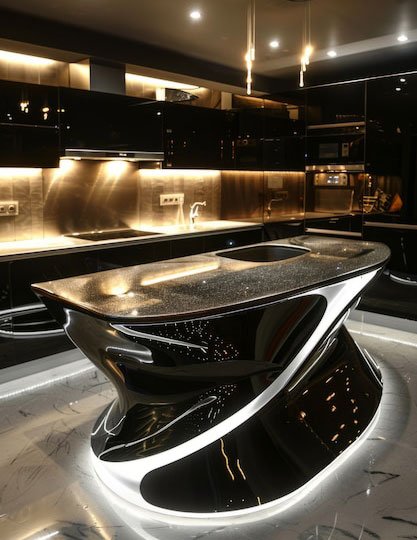
Hygiene and safety are top priorities in many settings, from healthcare facilities to homes. Solid surfaces play a crucial role in creating spaces that are both beautiful and safe.
Bacteria-Resistant Surfaces
Solid surfaces are naturally bacteria-resistant due to their non-porous nature. This characteristic makes them ideal for environments where hygiene is essential, such as kitchens and hospitals. By preventing bacteria from settling in, these surfaces help maintain a healthier environment. This feature not only ensures safety but also peace of mind knowing your surfaces support a clean space.
Non-Porous Surface Advantages
Non-porous surfaces offer several advantages. They do not absorb liquids, which means no staining or harboring of bacteria. This quality makes them perfect for areas with high hygiene requirements. In addition to being easy to clean, they maintain their aesthetic appeal over time, ensuring your interiors look pristine.
Ideal for Healthcare and Hospitality
In healthcare and hospitality settings, the right surface can make a significant difference. Solid surfaces are perfect for these environments because they are easy to clean and maintain. Their ability to withstand heavy use without compromising on hygiene makes them a preferred choice for professionals seeking reliable and safe solutions.
Designing with Solid Surfaces
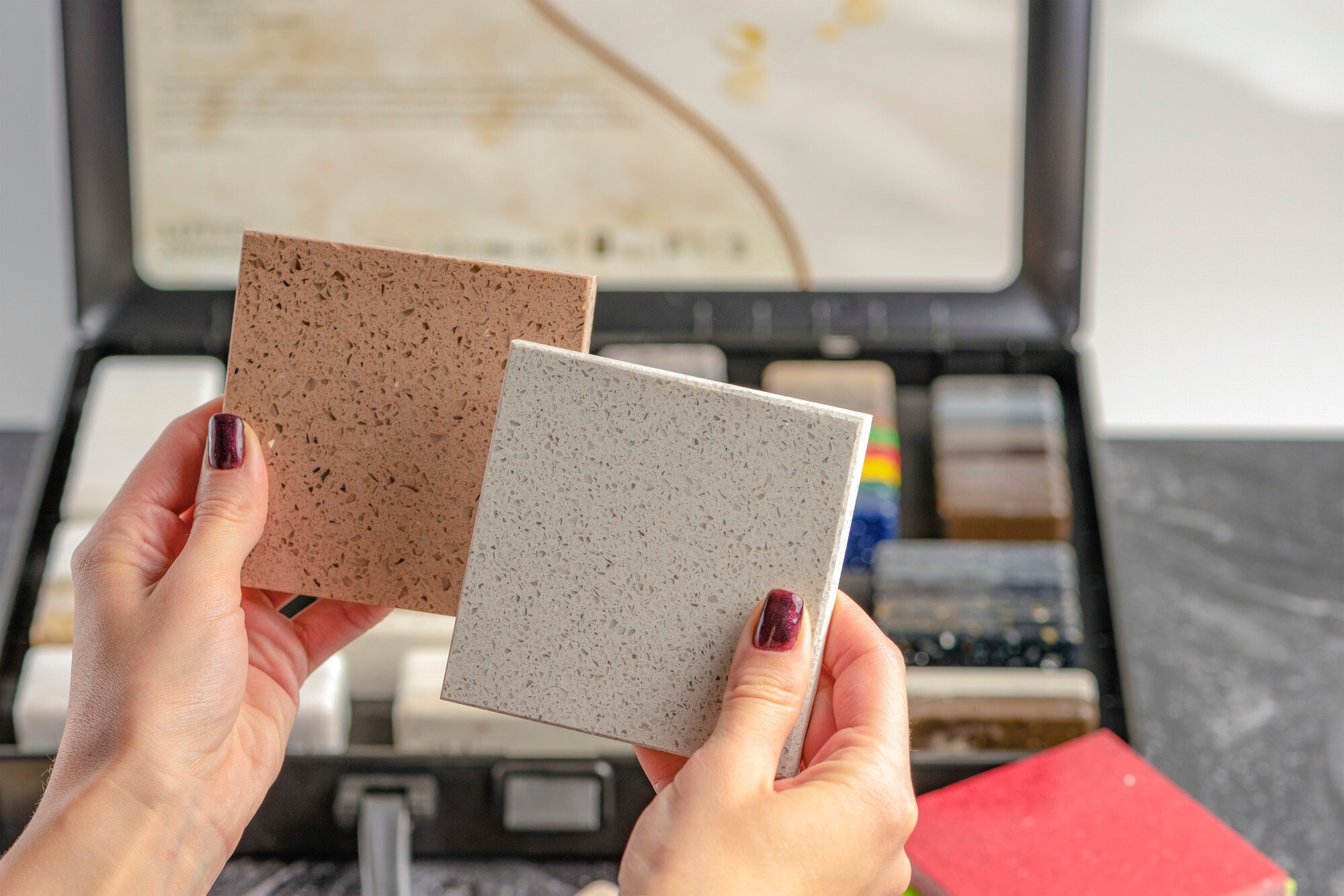
Designing with solid surfaces opens up a world of possibilities. From unique shapes to custom colors, the design potential is vast.
Design Versatility and Custom Colors
The versatility of solid surfaces is unmatched. You can choose from a wide range of colors and designs to match your vision. Whether you want a bold statement piece or a subtle complement to your décor, solid surfaces can deliver. This flexibility allows architects and designers to push creative boundaries and create truly unique spaces.
Seamless Countertops and Wall Cladding
Seamless countertops and wall cladding are key features of solid surfaces. Their ability to form continuous lines without visible seams creates a sleek, modern look. This seamless appearance not only enhances the aesthetic appeal but also reduces the areas where dirt and bacteria can accumulate, making them both beautiful and functional.
Thermoforming for Architectural Surfaces
Thermoforming takes design possibilities even further. This process allows the material to be molded into various shapes, accommodating complex designs that traditional materials can’t achieve. Whether it’s a curved countertop or a custom wall feature, thermoforming provides the flexibility to bring your architectural visions to life.
Frequently Asked Questions
What makes solid surfaces bacteria-resistant?
Solid surfaces are bacteria-resistant because they are non-porous. This property prevents bacteria from penetrating the surface, making them ideal for hygiene-critical environments.
How do I maintain a solid surface countertop?
Maintaining a solid surface countertop is simple. Use a mild detergent and a soft cloth for regular cleaning. Avoid abrasive cleaners to preserve the surface’s finish.
Are solid surfaces suitable for outdoor use?
While solid surfaces are durable, they are not typically recommended for outdoor use due to potential UV damage. Always check manufacturer guidelines before outdoor installation.
Can solid surfaces be repaired if damaged?
Yes, solid surfaces can be repaired. Scratches and minor damages can often be buffed out or filled by a professional, restoring the surface to its original condition.
What are the design benefits of thermoforming solid surfaces?
Thermoforming allows solid surfaces to be shaped into various forms, offering design flexibility. This capability is perfect for creating custom, unique architectural elements.