
Most people think quartz is the only choice for durable, stylish surfaces. But when you compare solid surface vs quartz, the differences go far beyond looks. STONIM solid surface offers seamless countertops and thermoformable surfaces that create uninterrupted, hygienic designs impossible with quartz. Ready to see why architects and designers across the GCC prefer STONIM for healthcare surfaces, hospitality countertops, and more? Check out this comprehensive guide on solid surface vs quartz for more insights.
Solid Surface and Quartz Differences
Choosing between solid surface and quartz can significantly impact your project. Both have unique features, but understanding their differences helps in making an informed decision.
Technical Distinctions
Let’s break down the core differences. Solid surface materials are acrylic-based, allowing for a seamless finish. This means no visible joints, which is ideal for kitchen countertops and commercial wall cladding. Quartz, however, consists of natural stone and polymer resins, which results in visible seams.
Moreover, solid surfaces are thermoformable, which means they can be molded into various shapes, giving you design flexibility. Quartz lacks this capability, limiting its use in creative projects. For those seeking more information on technical specs, check out this comparison.
Aesthetic Variations
The look of your surface matters. Solid surfaces offer a range of colors and patterns, from classic neutrals to bold hues. They’re perfect for creating a cohesive design throughout your space. Quartz provides the look of natural stone, with a glossy finish and speckled patterns, but its options are more limited.
Solid surfaces give you the freedom to match your exact design vision. With endless color choices, they fit both modern and traditional aesthetics. For inspiration, see how different color palettes work here.
Performance Comparison
Performance is key in choosing a surface. Solid surfaces are non-porous, making them resistant to stains and bacteria. This feature is crucial in maintaining a hygienic kitchen or healthcare environment. Quartz is also durable but requires sealing to protect against stains.
In terms of repairability, solid surfaces can be easily sanded to remove scratches, restoring their original shine. This is a significant advantage over quartz, which can be harder to repair. For a detailed performance analysis, consider this home improvement discussion.
Advantages of Solid Surface
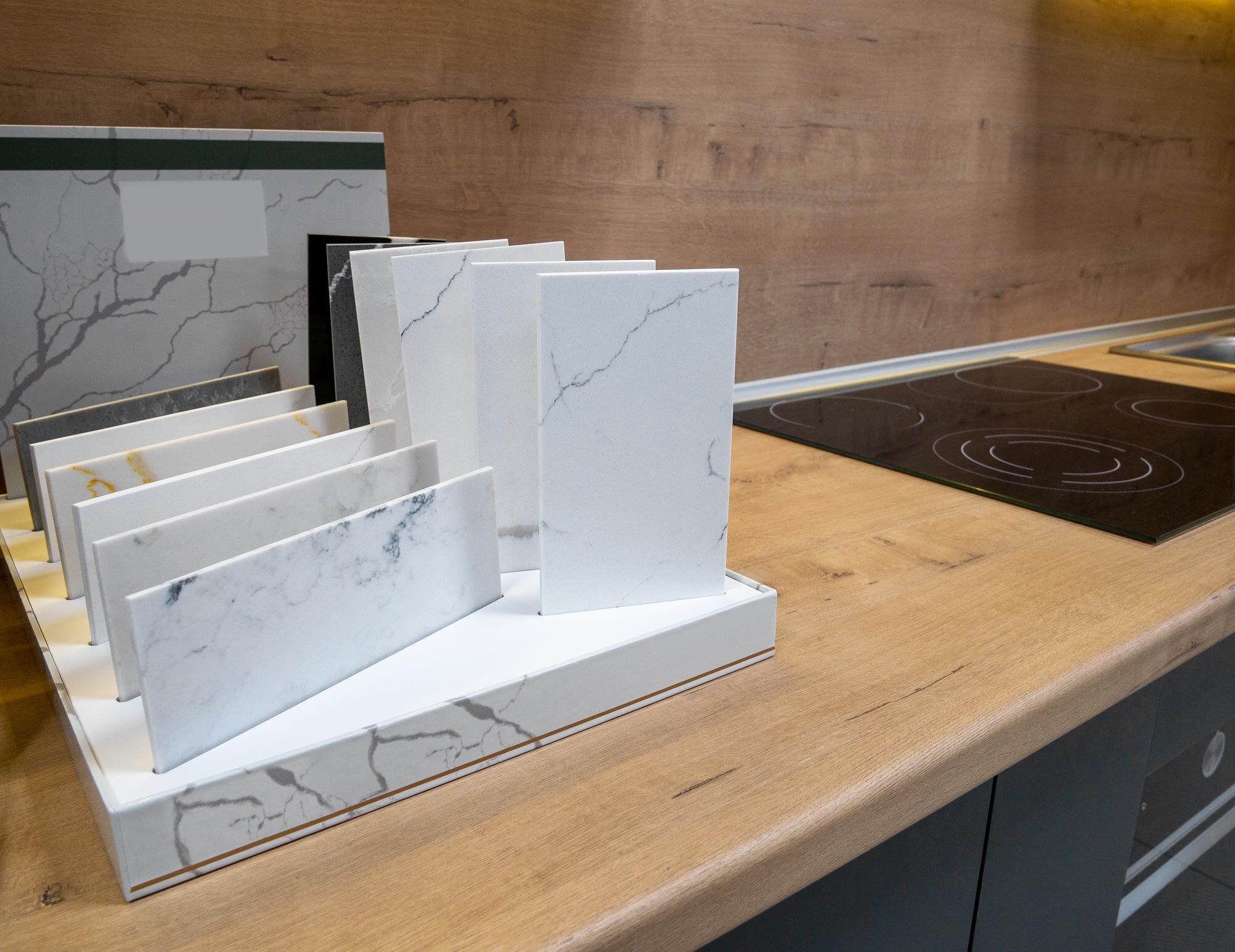
Solid surfaces stand out in several important areas. Their unique features make them a preferred choice for architects and designers.
Seamless Countertop Integration
One of the biggest benefits is seamless integration. Solid surfaces allow for uninterrupted, sleek designs, especially for integrated sink countertops. This creates a clean, modern look that is both functional and beautiful.
No visible seams mean no dirt or bacteria traps, making cleaning easier. This seamless quality is ideal for high-traffic areas, ensuring a long-lasting and pristine appearance.
Thermoformable Surface Benefits
Thermoformable surfaces offer flexibility in design. They can be shaped into curves and custom forms, allowing for creative applications in both residential and commercial settings. Imagine custom furniture or unique wall cladding that stands out.
This adaptability makes solid surfaces a favorite among those who value innovative designs. The ability to mold these surfaces into any shape opens up endless possibilities for architects and designers.
Hygienic and Non-Porous Qualities
Hygiene is a top priority for many spaces. Solid surfaces are non-porous, meaning they do not absorb moisture or bacteria. This makes them perfect for hospitals, kitchens, and bathrooms where cleanliness is crucial.
These surfaces are also easy to maintain, needing simple cleaning to keep them looking new. This hygienic quality, combined with their durability, ensures they are both practical and attractive.
The STONIM Solid Surface Edge
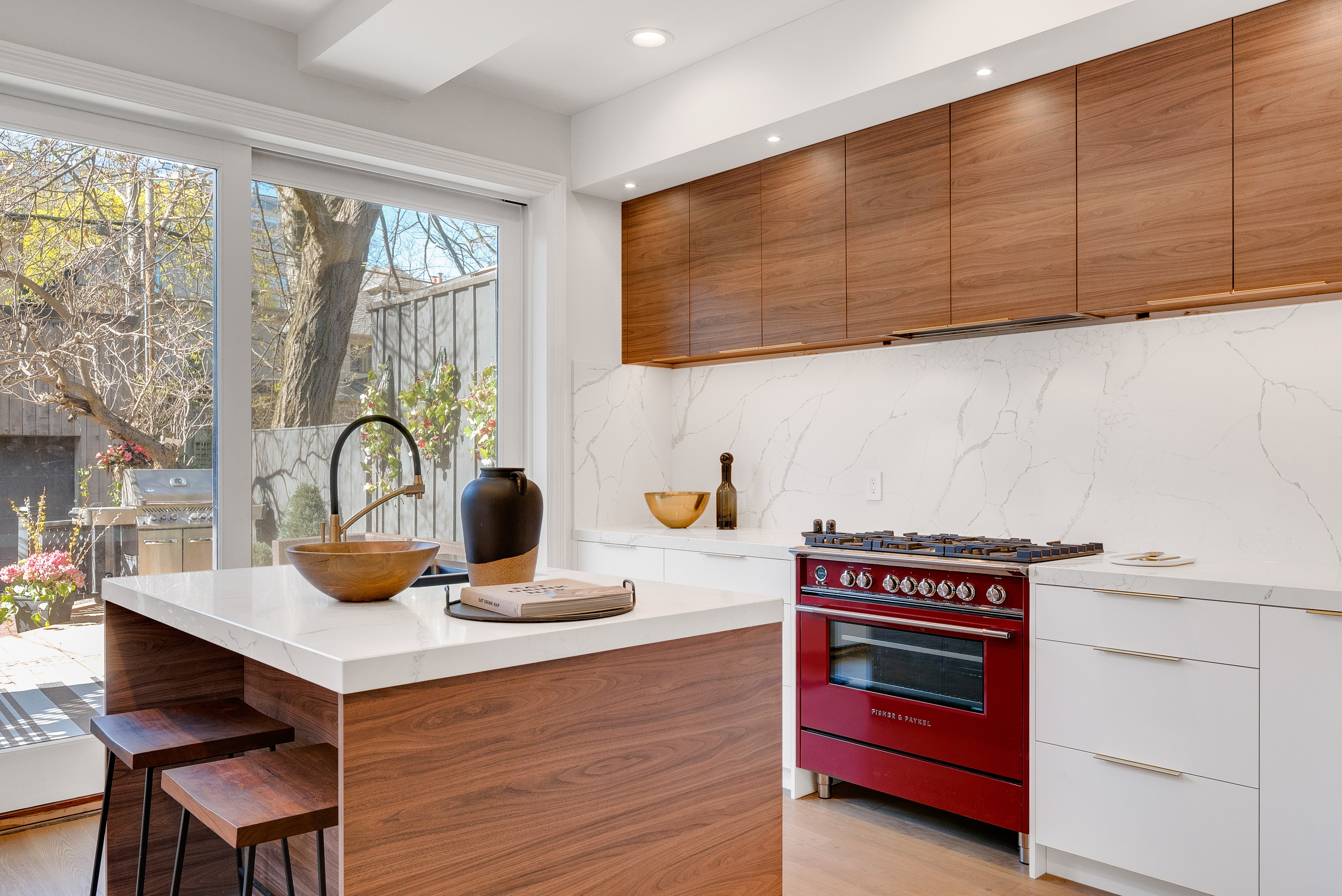
When it comes to solid surfaces, STONIM offers distinct advantages that set them apart from the competition.
Repairable and Sustainable Surfaces
STONIM surfaces are designed for longevity. They can be easily repaired by sanding out scratches or damage, maintaining their original beauty. This repairability is a major advantage over other materials that may need complete replacement.
Sustainability is also a core value; STONIM uses eco-friendly production processes. This commitment to the environment ensures that your project not only looks good but is also responsibly made.
Crystalline Silica Free Safety
Safety in fabrication is another benefit. STONIM surfaces are crystalline silica free, reducing health risks during installation. This makes them a safer option for fabricators and installers, ensuring a healthier working environment.
Choosing STONIM means choosing a product that values safety without compromising on quality. It’s a commitment to both craftsmanship and well-being.
Customization and Fabricator Support
Customization is at the heart of STONIM’s offerings. With a wide range of colors and styles, they provide the tools to craft unique spaces that reflect your vision. Whether for a kitchen, office, or retail space, the possibilities are endless.
Additionally, STONIM supports fabricators with training and technical guidance. This ensures each installation meets high standards, providing peace of mind that your project will be executed flawlessly.
Solid surfaces offer unmatched benefits for modern interiors. With STONIM, you get durability, design flexibility, and sustainability. Perfect for architects, designers, and homeowners looking for a reliable and stylish surface solution.