
Specifying solid surface materials can feel like navigating a maze without a clear map. You need precise guidance on performance, sizing, and hygiene details to get it right the first time. This guide breaks down solid surface specification into clear steps, so you can confidently choose materials that fit modern interiors perfectly and meet every project demand. For more insights, check out this guide to countertop materials.
Understanding Solid Surface Materials
Navigating the world of solid surface materials starts with understanding key aspects like performance, size, and hygiene. By breaking these down, you can make informed choices for any project.
Performance Criteria Essentials
Performance is the backbone of any solid surface material. You need something that holds up against daily wear and tear, from spills to scratches. High-quality solid surfaces are engineered to resist stains and damage, ensuring longevity. This means fewer repairs and replacements, saving you time and money.
Take note of materials that are non-porous, as they do not absorb liquids, reducing the risk of bacterial growth. This feature is crucial for maintaining hygiene, particularly in kitchens and bathrooms. Moreover, solid surfaces should be heat-resistant to withstand the demands of cooking environments. The best options offer a seamless appearance, contributing to modern, clean aesthetics.
Importance of Thickness and Sizing
Thickness and sizing play a vital role in the durability and functionality of solid surfaces. A standard thickness ensures that the material can handle weight and impact without cracking. It also contributes to a solid feel and sound, enhancing the overall user experience.
When selecting a size, consider how the material will be cut and installed. Larger sheets reduce the number of seams, leading to a smoother, more cohesive look. Always measure your space accurately to avoid wastage and ensure a perfect fit. Having precise dimensions means fewer adjustments during installation, streamlining the process.
Detailing for Hygiene and Durability
Durability and hygiene are closely linked in solid surface materials. Non-porous surfaces are easier to clean, making them ideal for areas where sanitation is a priority. Look for materials that resist the growth of mold and bacteria for safer, cleaner environments.
Additionally, consider the edge profiles and joint details. Rounded edges are less prone to chipping and easier to maintain. Seamless joints prevent the buildup of dirt and bacteria, enhancing both the durability and hygiene of the surface. Paying attention to these details ensures long-lasting, low-maintenance installations.
Fabrication and Installation Guidelines
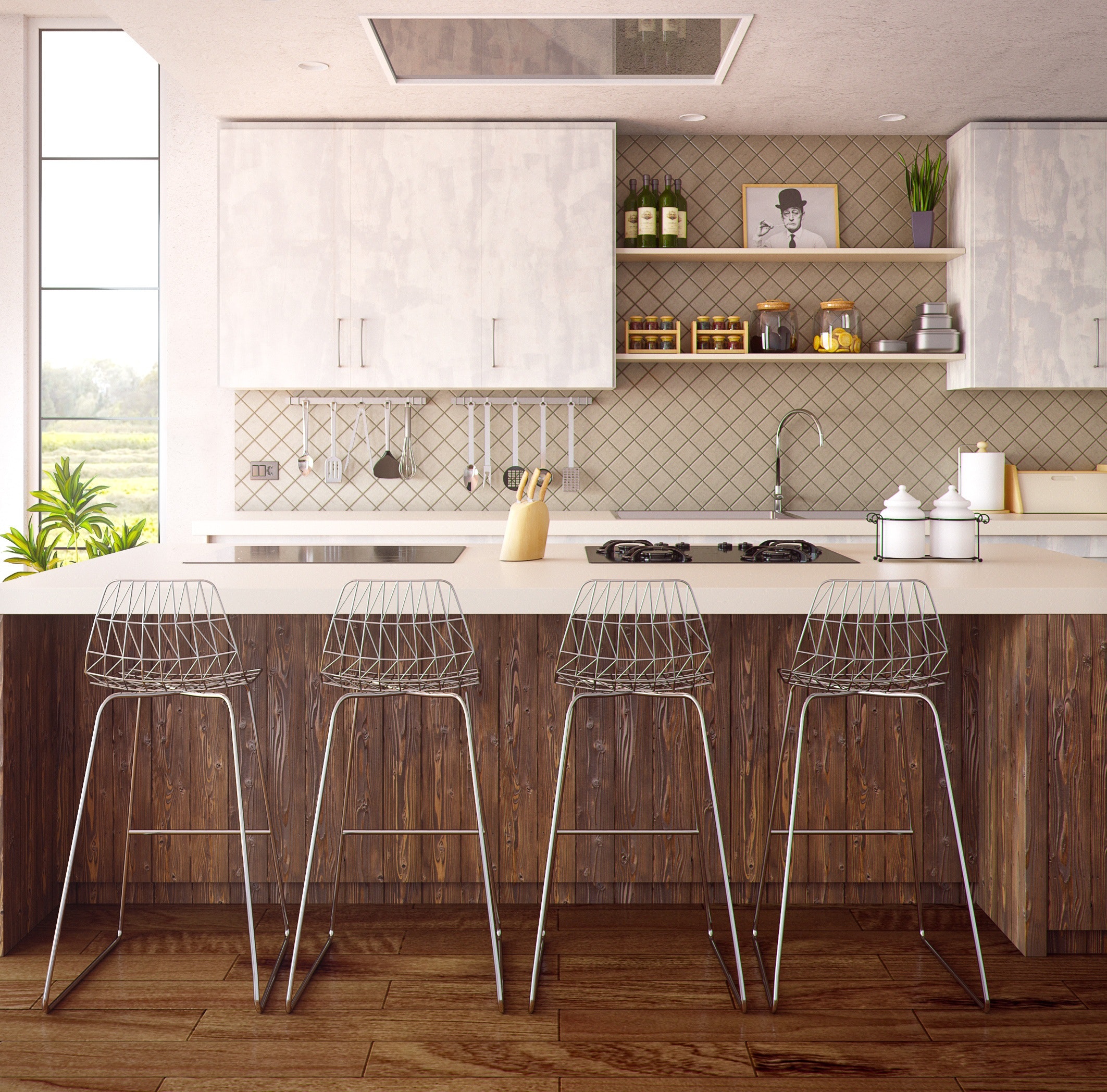
Once you’ve selected your materials, the next step is ensuring proper fabrication and installation. This process is crucial for achieving the desired look and performance.
Parameters for Reliable Installation
Reliable installation starts with understanding the specific parameters of your solid surface materials. Pay attention to installation tolerances, which dictate how precisely the surfaces should be fitted. This ensures that the final product looks seamless and functions optimally.
Additionally, make sure the substrate, or underlying surface, is compatible with the solid surface material. It should be sturdy and level to support the weight and prevent any shifts or gaps over time. A well-prepared substrate is the foundation of a successful installation.
Role of Fabricator Training
A well-trained fabricator can make all the difference in achieving a flawless installation. Fabricators should be familiar with the material properties and techniques required to handle them. This includes cutting, joining, and finishing the surfaces to meet design specifications.
Training ensures that fabricators understand the latest methods for creating seamless joints and precise edge profiles. This knowledge leads to higher-quality outcomes and fewer installation issues. Partnering with skilled professionals guarantees that your project will meet the highest standards.
Shop Drawings and Submittals
Shop drawings and submittals are essential for coordinating between designers, fabricators, and installers. These documents provide detailed diagrams and specifications, ensuring everyone is on the same page. They outline how the materials will be cut and assembled, minimizing the risk of errors.
By reviewing shop drawings, you can catch potential issues early and adjust as needed. Submittals confirm that the materials and design meet the project’s requirements. This step is key to maintaining quality control and achieving the desired outcome.
Sustainability and Aesthetic Considerations
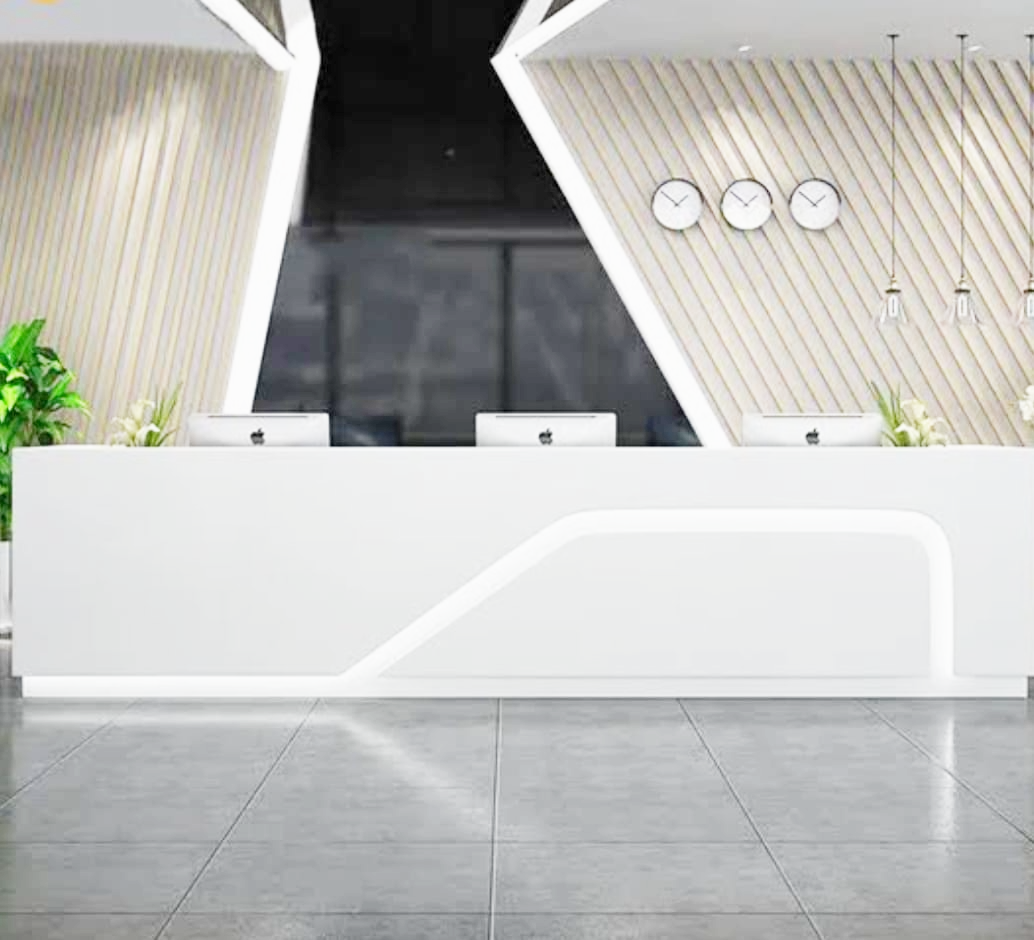
In today’s world, sustainability and aesthetics are just as important as functionality. Solid surface materials can offer both, providing environmentally friendly options that don’t compromise on style.
Sustainable Surfaces and Environmental Impact
Opting for sustainable surfaces means choosing materials with minimal environmental impact. Look for products made with eco-friendly processes and materials, such as recycled content or renewable resources. These choices support sustainability without sacrificing quality or performance.
Sustainable surfaces also contribute to healthier indoor environments. They often have low emissions of volatile organic compounds (VOCs), improving air quality. By selecting these materials, you’re promoting a greener future and enhancing the well-being of occupants.
Custom Solid Surface Colors and Design Flexibility
Design flexibility is a significant advantage of solid surface materials. They are available in a wide range of colors and patterns, allowing for customization that suits any aesthetic. Whether you prefer bold hues or subtle tones, there’s an option to match your vision.
Solid surfaces can also be thermoformed into various shapes, providing opportunities for creative designs. This means you can achieve unique, bespoke installations that stand out. Flexibility in design ensures that your surfaces are not only functional but also visually appealing.
Maintaining Solid Surfaces for Longevity
Proper maintenance is essential for preserving the longevity and appearance of solid surfaces. Regular cleaning with mild soap and water keeps them looking their best. Avoid harsh chemicals or abrasive tools that can damage the surface.
Periodic inspections help identify any minor issues, such as scratches or chips, which can often be repaired easily. By addressing these promptly, you prevent further damage and extend the lifespan of your surfaces. Consistent care ensures that your investment remains beautiful and durable over time.
Frequently Asked Questions
What is the best way to clean solid surface countertops?
To clean solid surface countertops, use a mild soap and water solution. Avoid abrasive cleaners or scrubbers that can scratch the surface. Regular cleaning keeps the surface looking new.
How do I choose the right thickness for my solid surface material?
The right thickness depends on the application. Standard thickness provides durability for most uses. For areas with heavy impact or weight, a thicker option may be preferable. Consult with your fabricator for specific recommendations.
Can solid surfaces be used in outdoor applications?
While solid surfaces are durable, they are not typically recommended for outdoor use due to potential UV damage. If considering outdoor applications, ensure the material is specifically rated for exterior conditions.
Are solid surfaces environmentally friendly?
Many solid surfaces are made with eco-friendly materials and processes. Look for options with recycled content and low VOC emissions to ensure sustainability.
How are solid surface seams joined?
Seams in solid surfaces are typically joined using color-matched adhesive. This creates a seamless appearance, enhancing both the aesthetic and hygiene of the installation.