
Laboratories and food preparation areas leave little room for error. Worktops must resist spills and stains, survive frequent disinfection and give bacteria nowhere to hide in cracks or open joints.
This guide explains how to specify solid surface for these hygiene-critical spaces in the UAE, from material performance and non-porous options to thermoformed details, samples and fabricator support.
Material Basics for Hygiene-Critical Spaces
Solid surface materials are becoming a staple in modern interior design, thanks to their versatility and performance. Here’s how they meet the demands of today’s spaces.
Performance Under Daily Disinfection
When choosing a solid surface, performance and durability are key. These materials are designed to withstand daily wear and tear. With engineered strength, they resist scratches, stains, and heat, making them ideal for high-traffic areas. For instance, a solid surface countertop in a busy kitchen can endure constant use without losing its luster.
Moreover, solid surfaces maintain their rich color and finish over time. Even in spaces prone to spills and moisture, such as bathrooms or healthcare facilities, these surfaces hold up against damage. This longevity not only enhances the aesthetic of a space but also reduces the need for frequent replacements, saving you time and money.
Hygiene and Easy Cleaning
Another critical aspect is hygiene. Solid surfaces are non-porous, which means they do not harbor bacteria or require sealing. This makes them perfect for healthcare settings where cleanliness is paramount. Unlike natural stone, which can absorb liquids and stains, solid surfaces offer a cleaner, more hygienic solution.
Maintenance is straightforward as well. A simple wipe with a damp cloth is often enough to keep these surfaces looking new. Their seamless design also means fewer joints and crevices where dirt can accumulate, ensuring a cleaner environment with less effort.
Practical Design Options
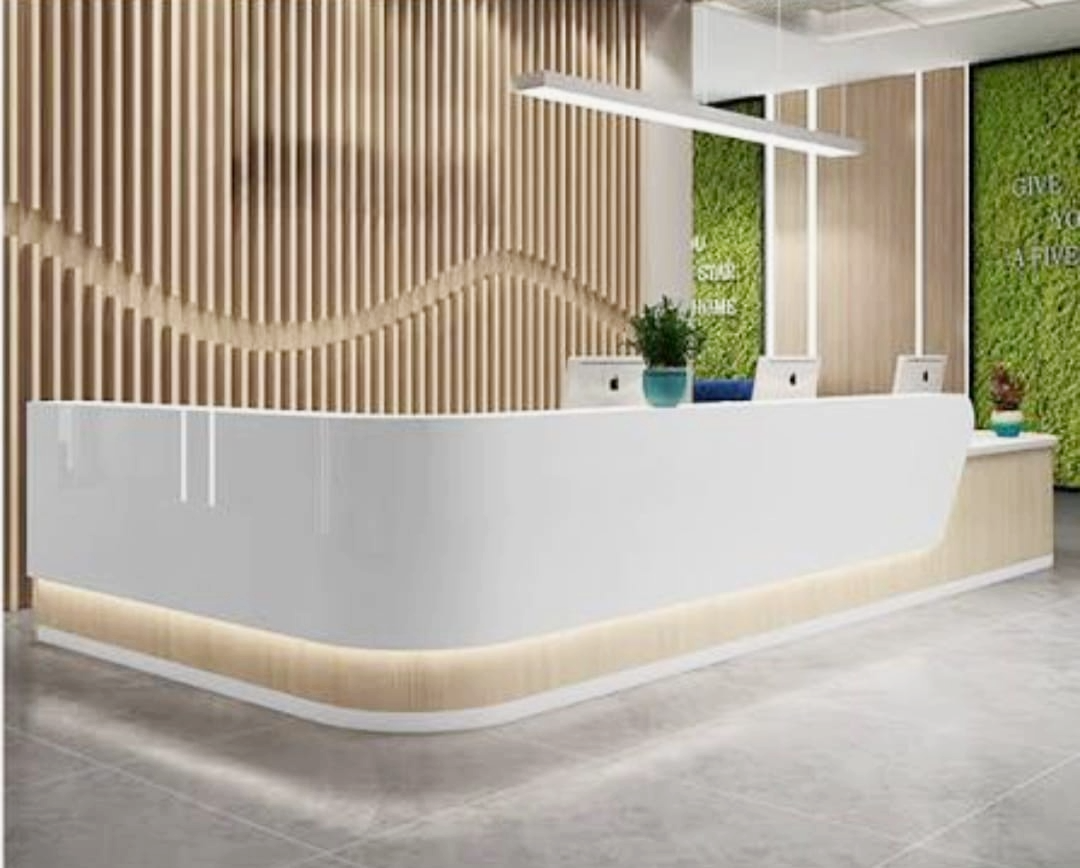
Design flexibility is where solid surfaces truly shine. They can be thermoformed into various shapes, allowing for innovative designs that traditional materials can’t achieve. Whether you’re creating a flowing reception desk or a curved bathroom vanity, solid surfaces can be tailored to your vision.
Additionally, these materials come in a wide array of colors and finishes, from sleek, modern whites to warm, natural tones. This variety enables designers to match any aesthetic, from minimalist to extravagant, ensuring a cohesive look throughout your project. For more on how solid surfaces can elevate your design, check out this guide.
Specifying for Labs and Food Areas
With an understanding of the benefits, the next step is specifying the right solid surface for your project. Here’s what to consider.
Key Specification Points
When specifying a solid surface, focus on material quality and supplier reliability. Look for surfaces that combine premium premium acrylic for enhanced strength and workability. A reliable supplier should offer technical support and guidance to ensure accurate installation, especially for complex designs.
Consider the environmental impact of your choice. Opt for surfaces produced through eco-friendly processes that minimize waste and reduce carbon footprint. Sustainability is not just a trend—it’s a responsibility. Choosing sustainable materials is a step toward environmentally conscious building practices.
Non-Porous, Bacteria-Resistant Choices
Hygienic surfaces are essential in many environments, particularly in healthcare and food preparation areas. Non-porous, bacteria-resistant surfaces prevent microbial growth, offering a safer option than porous materials like wood or stone. Ensure your choice meets these standards to provide peace of mind and safety.
Shaped Sinks and Custom Details
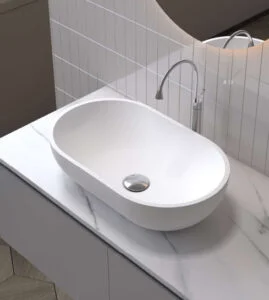
Customization is crucial for achieving the perfect fit and finish. Thermoformable solid surfaces allow for creative shapes and designs, expanding the possibilities for unique architectural features. Whether you need custom colors or dimensions, a flexible material can adapt to your project’s specific needs. Check out examples of innovative solid surface applications here.
Working With STONIM®
When it comes to solid surfaces, partnering with the right supplier can make all the difference. Here’s why STONIM® should be your go-to choice.
Why STONIM® Suits Hygiene-Critical Areas
STONIM® offers solid surfaces that blend advanced technology with refined craftsmanship. Their products are engineered for durability and seamless installation, ensuring high performance in any setting. With a focus on sustainability, STONIM® uses eco-friendly production methods, aligning with modern environmental goals.
The brand’s extensive range includes options for custom colors and sizes, allowing for tailored solutions that meet your design vision. Whether you’re working on a residential kitchen or a commercial office, STONIM® has the materials to elevate your project.
Samples and Technical Support
To make informed decisions, access to samples and technical support is crucial. STONIM® provides samples that allow you to see and feel the quality of their materials firsthand. Additionally, their technical support team offers guidance throughout your project, ensuring smooth implementation and satisfaction with the final outcome.
Fabricator Training and Resources
STONIM® goes beyond supplying materials by offering training and resources for fabricators. This commitment ensures that every installation meets the highest standards. By equipping fabricators with the right tools and knowledge, STONIM® guarantees that their surfaces deliver on both beauty and function.
To learn more about the advantages of solid surfaces and the expertise STONIM® offers, visit their Instagram page.
By understanding solid surface materials and specifying them correctly, you can create spaces that are not only beautiful but also functional and sustainable. Trust STONIM® to provide the quality and support you need for your next project.
Hygiene Checklist for Labs and Food Areas
Specify fully bonded, colour-matched joints, coved upstands and integrated sinks so there are no gaps or corners to trap dirt. Check chemical resistance with the supplier for the specific cleaners or reagents used on site, and keep heat sources such as hot plates on protective pads.