
You’ve invested in Stonim solid surfaces for their seamless look and lasting strength. Now, keeping them pristine and hygienic is a top priority. This guide breaks down solid surface maintenance into clear steps that protect your investment, support infection control, and extend surface life. Follow along to master how to clean solid surface countertops and maintain durable seamless surfaces with confidence. For more tips, check out this resource.
Essential Solid Surface Maintenance
Maintaining Stonim solid surfaces ensures they remain hygienic and looking new. Let’s dive into the daily steps that ensure longevity and cleanliness.
Daily Cleaning Protocols
Keeping your solid surfaces spotless begins with a simple routine. Wipe down surfaces with a soft cloth dampened with warm, soapy water. This daily habit helps remove dirt and prevent buildup. Avoid harsh chemicals as they can damage the surface. Instead, opt for gentle, pH-balanced solutions.
For stubborn spots, use a non-abrasive cleaner. A mixture of vinegar and water can be effective for removing grease or food residue. Rinse thoroughly afterward to avoid leaving any residue behind. Consistent cleaning keeps your countertops looking fresh and extends their life.
Choosing Low VOC Cleaners
Choosing the right cleaner is crucial for maintaining air quality. Low VOC (Volatile Organic Compounds) cleaners are safe for both your surfaces and the environment. These cleaners reduce harmful emissions, promoting a healthier indoor space. Check labels when purchasing and look for eco-friendly certifications.
Most people assume that stronger-smelling cleaners are more effective. However, low VOC options often perform just as well without the harsh chemicals. By making this small change, you can protect both your surfaces and your health.
Maintaining Hygienic Countertops
Non-porous surfaces like Stonim’s are naturally resistant to bacteria. This makes them ideal for healthcare and kitchen environments. To enhance this feature, ensure regular cleaning with disinfectants that are safe for acrylic surfaces.
Disinfecting once a day helps eliminate germs. Spray your chosen disinfectant and let it sit for the recommended time before wiping it off. Remember, the longer you wait to clean, the more germs can spread. Keeping a routine ensures your surfaces stay as hygienic as possible.
Repair and Refresh Techniques
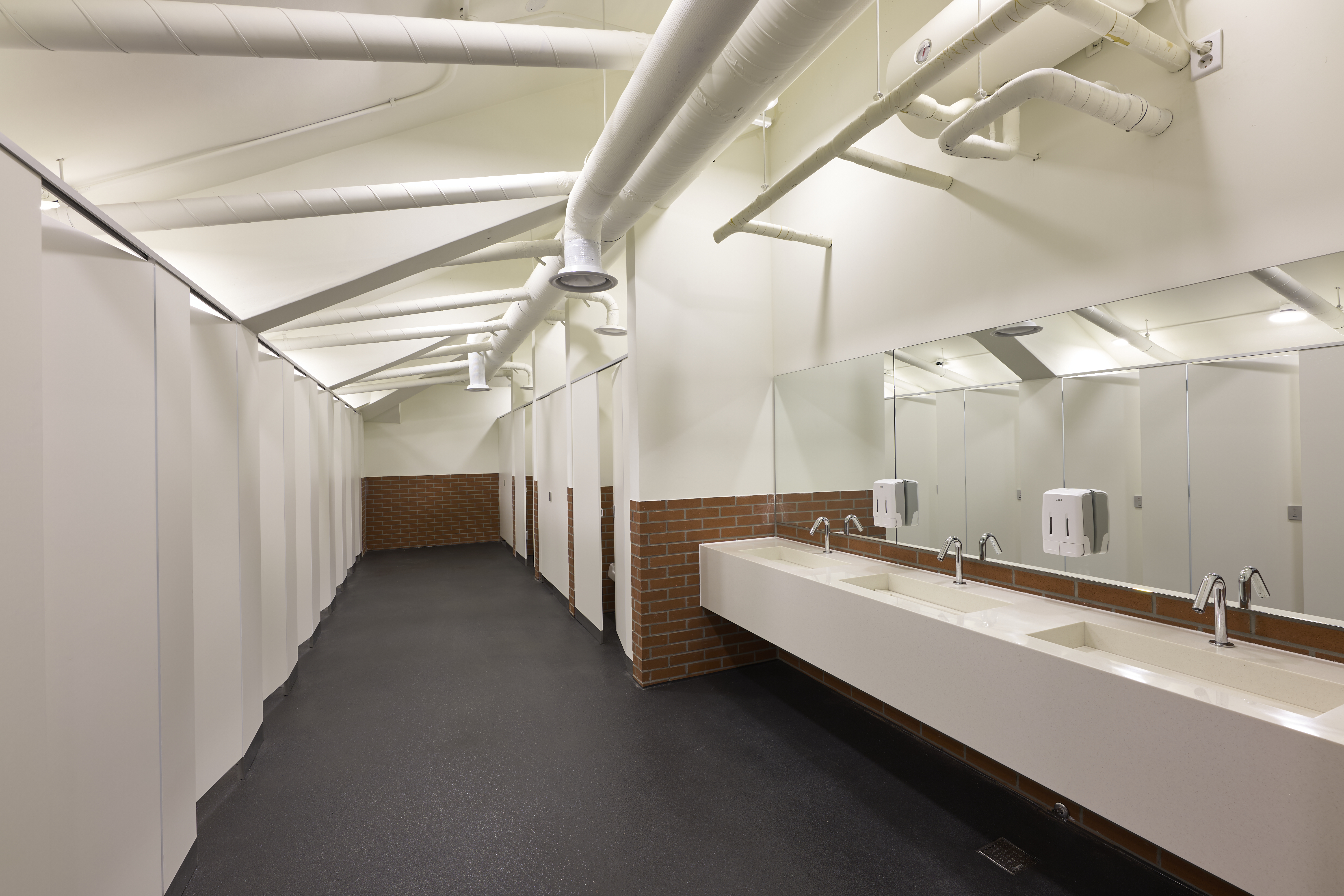
Over time, even the best surfaces can get minor scratches or stains. Knowing how to repair them can keep your countertops looking pristine without costly replacements.
Using a Solid Surface Repair Kit
Solid surface repair kits are handy for small fixes. They usually include sandpaper, polish, and filler. Start by cleaning the area thoroughly. Use fine sandpaper to gently buff out scratches, moving in circular motions.
If deeper damage occurs, apply the filler as instructed in the kit. Allow it to dry completely before sanding it smooth. Finally, polish the area to restore its shine. Regular maintenance can prevent small issues from growing into bigger problems.
Acrylic Solid Surface Repair Steps
Repairing acrylic surfaces is straightforward. First, clean the surface to see the scratches clearly. Use a fine-grit sandpaper and sand the area lightly. Make sure to blend the edges to avoid creating noticeable patches.
After sanding, cleaning the area again and apply a surface polish designed for acrylic. This polish helps restore the smooth finish and shine. For more detailed instructions, this guide offers step-by-step help.
Resurfacing for Longevity
When surfaces start looking dull, resurfacing can bring them back to life. This involves sanding down the entire surface and reapplying a finish. It’s a more intensive process but can add years to the life of your countertops.
Experts recommend this every few years, depending on use. Resurfacing not only restores appearance but also renews the protective surface layer. This helps maintain the hygiene and durability that Stonim surfaces are known for.
Seamless Installation and Sustainability
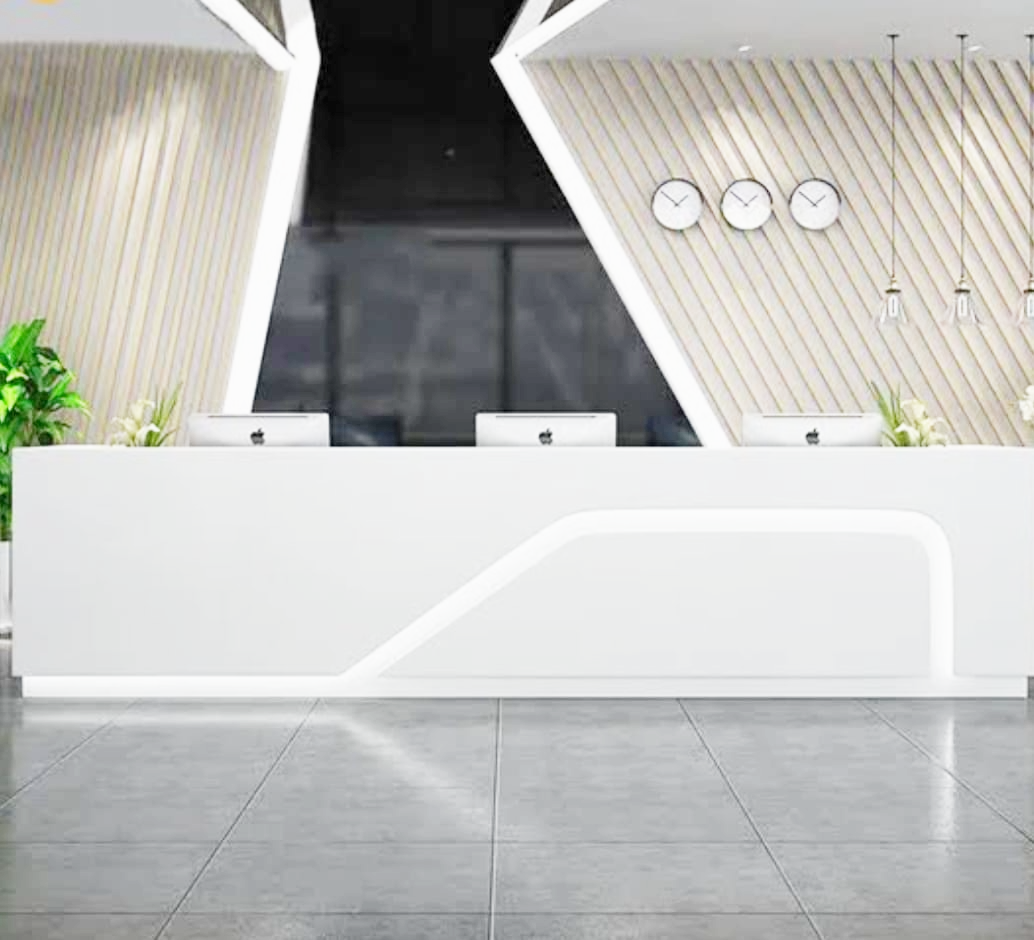
Proper installation and sustainable practices ensure your surfaces not only look good but also support environmental goals.
Benefits of Non-Porous Surfaces
Non-porous surfaces prevent liquids and bacteria from seeping in. This feature is crucial for maintaining hygiene in areas like kitchens and hospitals. Unlike natural stone, Stonim surfaces require no sealing, saving you time and money on maintenance.
Most surfaces need regular sealing, but not ours. This not only cuts down on upkeep but also reduces chemical use in cleaning. This is where Midlab’s insights can be valuable.
Wall Cladding Maintenance Tips
Wall cladding made from solid surfaces offers a sleek look. To keep them looking fresh, clean regularly with a soft cloth and mild detergent. Avoid abrasive pads that can scratch the surface.
In high-traffic areas, check for damage regularly. Simple repairs, as discussed earlier, can prevent minor issues from escalating. Proper care ensures your walls stay an impressive feature of your space.
Sustainable Solid Surface Practices
Stonim is committed to eco-friendly production. Our surfaces are made with minimal environmental impact. By choosing sustainable materials, you’re contributing to a healthier planet.
Consider the long-term environmental benefits of durable products. Fewer replacements mean less waste. Plus, our production processes are designed to reduce energy consumption and emissions, supporting global sustainability goals. For further insights on surface care partnerships, check this resource.
In conclusion, maintaining your solid surfaces involves regular care and occasional repairs. This ensures they remain a beautiful and functional part of your space for years to come. Leveraging sustainable practices and the right products, you can keep your surfaces pristine with minimal effort.